Probability Games That Encourage Creativity
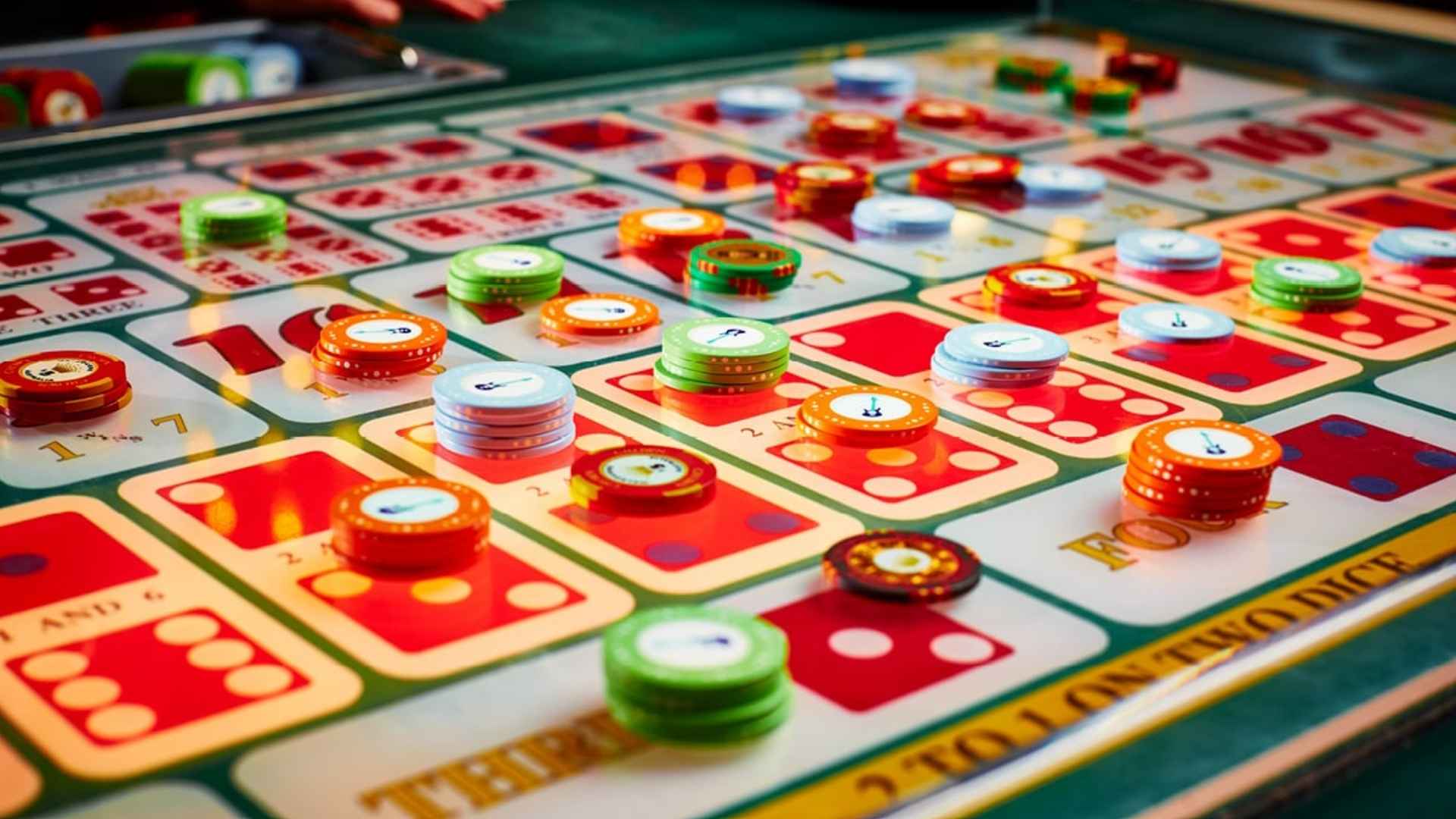
Games that incorporate probability are often associated with strict mathematical formulas and rigid strategic thinking. However, many modern tabletop and digital challenges use dynamic elements of chance to push players into highly imaginative scenarios. By introducing unpredictable variables, these experiences force participants to design unique strategies and invent unexpected solutions to complex problems.
The Intersection of Chance and Imagination
When game mechanics rely heavily on random outcomes, players cannot simply memorize a single path to victory. This lack of predictability actively sparks creative cognition by forcing individuals to assess risk dynamically across fluid environments. Consequently, participants learn to think beyond standard choices and regularly experiment with novel tactical frameworks.
Many popular mathematical setups use adaptive scenarios to build problem-solving skills in both children and adults. When exploring these interactive platforms, utilizing a trusted resource like M88id can help players study how randomized software tools keep environments fair and unpredictable. Navigating these unexpected shifts transforms static gameplay into an intense cognitive exercise.
How Uncertainty Enhances Strategic Design
Traditional puzzle solving frequently relies on predefined answers, which can limit long-term mental flexibility. In contrast, probability-based tasks present random obstacles that demand spontaneous innovation and immediate tactical pivots. This constant state of uncertainty teaches the brain to stay comfortable with incomplete data and shifting parameters.
Furthermore, designing multiple backup plans to counter bad luck fosters a strong sense of intellectual resilience. Players must carefully synthesize statistical likelihoods with outside-the-box thinking to survive complex matches. This sophisticated balancing act directly translates into real-world analytical skills and creative risk management.
Practical Exercises for Developing Spatial Play
Engaging with dice mechanics or complex card systems offers an experiential route toward advanced logical mastery. Participants who track varying outcomes rather than pursuing fixed goals tend to display higher levels of mental flexibility. Over time, these daily challenges build a deeper appreciation for abstract possibilities and creative configurations.
Ultimately, blending random events with proactive planning keeps modern gaming formats fresh and deeply satisfying. Embracing the inherent volatility of probability challenges ensures a healthy workout for your mind. With steady commitment, balancing chance and creativity becomes both intellectually rewarding and practically useful.