Tag: Seasonal Events
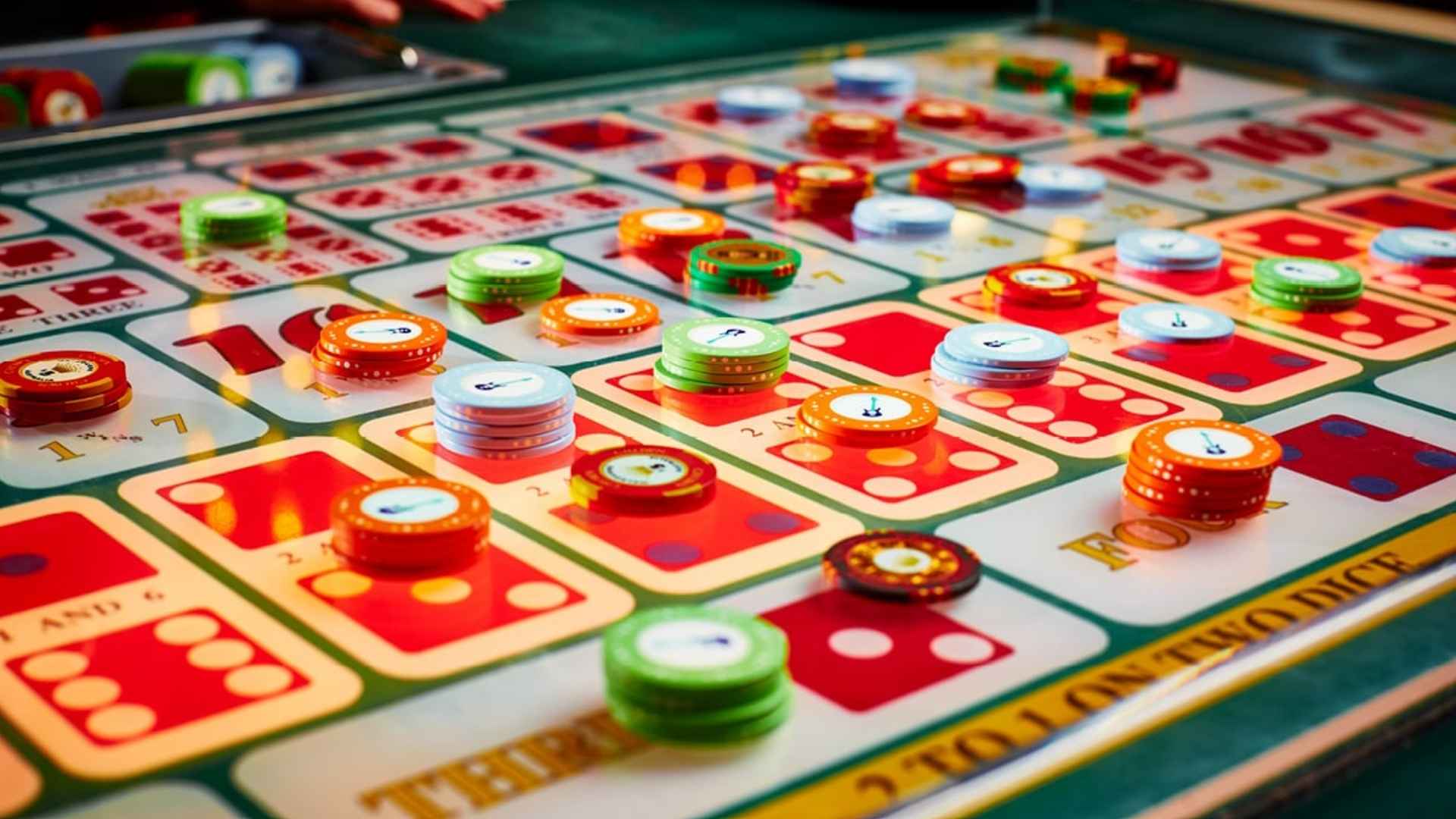
Probability Games That Encourage Creativity
Games that incorporate probability are often associated with strict mathematical formulas and rigid strategic thinking. However, many modern tabletop and digital challenges use dynamic elements of chance to push players into highly imaginative scenarios. By introducing unpredictable variables, these experiences force participants to design unique strategies and invent unexpected solutions to complex problems.
The Intersection of Chance and Imagination
When game mechanics rely heavily on random outcomes, players cannot simply memorize a single path to victory. This lack of predictability actively sparks creative cognition by forcing individuals to assess risk dynamically across fluid environments. Consequently, participants learn to think beyond standard choices and regularly experiment with novel tactical frameworks.
Many popular mathematical setups use adaptive scenarios to build problem-solving skills in both children and adults. When exploring these interactive platforms, utilizing a trusted resource like M88id can help players study how randomized software tools keep environments fair and unpredictable. Navigating these unexpected shifts transforms static gameplay into an intense cognitive exercise.
How Uncertainty Enhances Strategic Design
Traditional puzzle solving frequently relies on predefined answers, which can limit long-term mental flexibility. In contrast, probability-based tasks present random obstacles that demand spontaneous innovation and immediate tactical pivots. This constant state of uncertainty teaches the brain to stay comfortable with incomplete data and shifting parameters.
Furthermore, designing multiple backup plans to counter bad luck fosters a strong sense of intellectual resilience. Players must carefully synthesize statistical likelihoods with outside-the-box thinking to survive complex matches. This sophisticated balancing act directly translates into real-world analytical skills and creative risk management.
Practical Exercises for Developing Spatial Play
Engaging with dice mechanics or complex card systems offers an experiential route toward advanced logical mastery. Participants who track varying outcomes rather than pursuing fixed goals tend to display higher levels of mental flexibility. Over time, these daily challenges build a deeper appreciation for abstract possibilities and creative configurations.
Ultimately, blending random events with proactive planning keeps modern gaming formats fresh and deeply satisfying. Embracing the inherent volatility of probability challenges ensures a healthy workout for your mind. With steady commitment, balancing chance and creativity becomes both intellectually rewarding and practically useful.

Defensive Dominoes Tactics That Work
While many players focus entirely on scoring points as quickly as possible, true dominoes mastery often lies in a strong defensive game. By learning to limit your opponent's options and controlling the board, you can dictate the pace of the match and secure more victories. Implementing a few reliable defensive strategies will instantly make you a much tougher competitor at any table.
The Power of Blocking the Board
One of the most effective defensive maneuvers is matching both open ends of the layout to the same value. When you play a tile that forces identical numbers on both sides, you significantly reduce the options available to your opponent. If they do not hold that specific number in their hand, they will be forced to pass or draw extensively from the boneyard.
This blocking tactic works exceptionally well when you have analyzed what tiles have already been played. By keeping track of visible numbers, you can easily identify which values are depleted and use them to corner other players. Controlling these open ends ensures that you remain in the driver's seat throughout the round.
Monitoring and Exploiting Opponent Weaknesses
Pay close attention to whenever your opponent is forced to draw a new tile or pass their turn. This crucial moment reveals that they lack the numbers currently exposed on the layout ends. You should make a mental note of these weak suits and strategically play those exact numbers whenever possible to keep them stuck.
By repeatedly forcing them into positions where they cannot make a move, you heavily disrupt their gameplay. For those who enjoy strategic thinking in competitive matches, platforms like Msports offer excellent opportunities to test your observational skills. Consistently targeting your opponent's missing suits is a guaranteed way to build a massive point advantage.
Managing Hand Diversity and Heavy Tiles
Another key aspect of defensive play is maintaining a highly diverse hand with a wide range of suits. If you hold too many tiles of a single number, you risk getting blocked yourself if that suit is shut down. Keeping your options open ensures that you can adapt to almost any board state your opponent throws at you.
Additionally, it is wise to play your heavier, high-value tiles as early in the match as possible. If an opponent manages to win the round, they score points based on the remaining tiles in your hand. Getting rid of your highest numbers early minimizes the damage and keeps the overall match score within your reach.
Using Doubles and Strategic Passes
Holding onto double tiles for too long can be a dangerous trap because they are notoriously difficult to play. Because doubles do not change the active hook number on the table, you should look to discard them early in the game. Playing them early prevents you from getting stuck with high-point doubles at the very end of the round.
In some situations, making a strategic pass or draw can actually work to your ultimate advantage. If drawing a new tile gives you a stronger combination or a better blocking piece for the next turn, it is worth the minor risk. A patient, defensive approach will always triumph over reckless offensive plays in the long run.

Innovative Number Games to Try
The landscape of digital puzzles is undergoing a massive transformation as developers find creative ways to merge classic mathematics with interactive mechanics. Modern players are no longer confined to static grids or simple subtraction drills because fresh designs are prioritizing deep problem-solving and narrative integration. If you are looking to challenge your analytical skills while enjoying high-quality entertainment, discovering these fresh adaptations is the perfect place to start.
The Emergence of Mathematical Narrative Adventures
One of the most exciting shifts in modern gaming is the combination of numerical logic puzzles with rich storytelling elements. Instead of just matching numbers to clear a board, players must now solve arithmetic equations to progress through immersive storylines or unlock hidden mysteries. This narrative framing makes abstract mathematical concepts feel concrete and highly rewarding for casual enthusiasts.
Many new platforms are building collaborative spaces where users can discuss game mechanics and share puzzle strategies in real time. Exploring specialized hubs like Msports can help you stay updated on upcoming indie game releases and discover new communities dedicated to creative problem-solving. These interactive environments ensure that your training routine remains dynamic and filled with fresh challenges.
Adaptive Difficulty and Procedural Progression
Another major milestone in modern puzzle design is the integration of procedural generation algorithms that create unique layouts every time you play. These dynamic systems evaluate your decision-making speeds and accurately adjust the mathematical complexity to match your current skill level. This personalized approach prevents frustration while ensuring that experienced players remain consistently challenged.
By removing predictable patterns, these games encourage genuine logical intuition rather than simple memorization or repetitive routines. Developing a systematic approach to these evolving variables naturally sharpens your working memory and improves spatial reasoning. As a result, each session functions as a reliable mental exercise that actively enhances long-term cognitive agility.
The Cognitive Value of Strategic Number Puzzles
Engaging regularly with modern numerical challenges offers profound benefits for your brain health that extend well beyond digital entertainment. Neuropsychological studies suggest that active problem-solving stimulates the prefrontal cortex, which directly supports analytical thinking and hand-eye coordination. Dedicating just a few minutes every day to these structured activities helps maintain long-term mental clarity.
Furthermore, completing a sophisticated logical puzzle triggers a natural release of dopamine, which improves focus and reduces daily stress levels. The unique combination of relaxation and mental stimulation makes modern number games a highly sustainable hobby for adults of all age groups. Embracing these creative tools is an excellent way to keep your mind sharp in an increasingly digital world.